Having a business website in 2025 is no longer just an option, but an absolute necessity.
In an era where almost every purchasing decision begins with a Google search, a business without a website is like a store without an address. They may have great products and excellent service, but if they don’t appear in search results, they are virtually invisible to potential customers.
A website has now become the hub of the digital ecosystem: a place where you build credibility, showcase your brand identity, channel traffic from social media, and convert visitors into customers.
Therefore, studying the best business website examples of 2025 will help you understand design strategies, copywriting, and CTAs that truly drive conversions. This article will discuss top 10 business websites in 2025, from global to local examples, along with practical lessons you can apply to boost your conversions, brand trust, and overall digital business performance.
Why Are Business Websites Still Relevant in 2025?
Many small business owners think social media is enough. In reality, algorithms can change at any time, and organic reach continues to decline.
A website offers something that no other platform can provide:
1. Long Term Credibility
Having your own domain and professional design enhances perceived trust. A study by Hostinger states that “web design influences 94% of first impressions”— meaning that design (including domain, layout, and visuals) has a significant impact on how visitors perceive your business’s credibility.
Additionally, 75% of users say that a website’s appearance influences their perception of a company’s credibility.
2. Full Control Over Your Digital Business
With your own website, you aren’t subject to algorithm changes, reach restrictions, or monetization policies from third-party platforms. You can manage SEO, page structure, features, and monetization however your business sees fit.
3. SEO Optimization
A website can be optimized to appear in Google’s organic search results for the keywords your potential customers are searching for. Social media platforms don’t always support this kind of optimization (limitations in URLs, structure, schema markup, etc.).
4. Business Websites Drive Higher Conversions
A website gives you full control over the user experience, from design and speed to calls-to-action (CTAs).
Unlike social media, which is full of distractions, a website allows you to guide visitors directly toward a single goal, such as filling out a form, contacting you, or making a purchase.
Keuntungan itu diperkuat oleh data berikut:
- 67% of users are more likely to make a purchase from businesses that have a mobile-friendly website .This means that responsive design isn’t just about aesthetics, it directly influences purchasing decisions. (Source: Forbes Advisor, 2024)
- 74% of users will come back to websites with a user-friendly and easy-to-navigate experience, indicating that good design fosters loyalty. (Source: UXCam, 2024)
- On the other hand, 39% of users will leave a website if the loading time exceeds three seconds. Speed isn’t just a technical factor—it’s also psychological: the slower the website, the faster you lose potential customers. (Source: Baymard Institute)
10 Best Business Websites You Can Learn From in 2025
In the digital era of 2025, a website is no longer just an online catalog, but a digital salesperson that works 24 hours
The world’s best websites have one thing in common: they aren’t just visually appealing, they’re designed to influence visitor behavior. Here are ten of the best business websites and the lessons you can apply to strengthen your brand and online conversions.
1. Tesla — Power of Minimalism (Automotive)
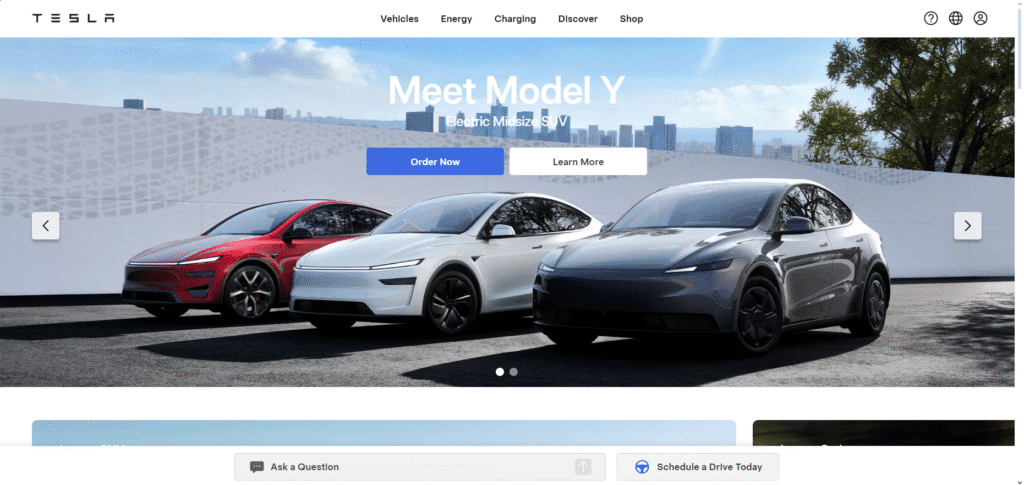
Tesla proves that less is more. Each page has a single focus: selling electric cars.
A clean layout, large visuals, and a single CTA (“Order Now”) keep visitors focused and undistracted.
Important lesson: remove elements that don’t bring users closer to conversion. A simple yet purposeful design is far more effective than a cluttered, directionless layout.
2. Shopify — Educate Before You Sell (SaaS / E-commerce)
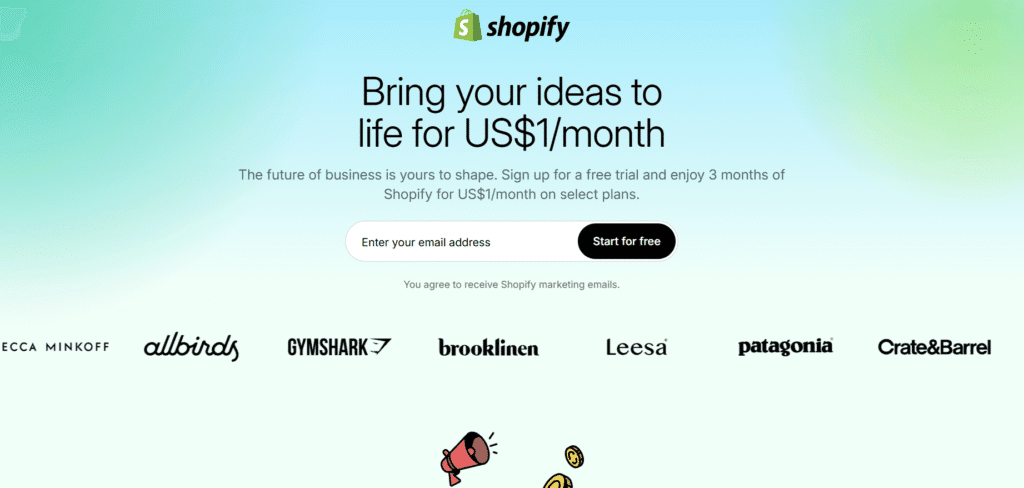
Shopify doesn’t force visitors to make an immediate purchase. Instead, they educate first, sell later.
Blogs, guides, and case studies on their site serve as valuable knowledge resources for online entrepreneurs.
Lesson: build trust through knowledge. The higher the value of your content, the greater the likelihood that people will buy from you.
3. Airbnb — Experience First (Hospitality)
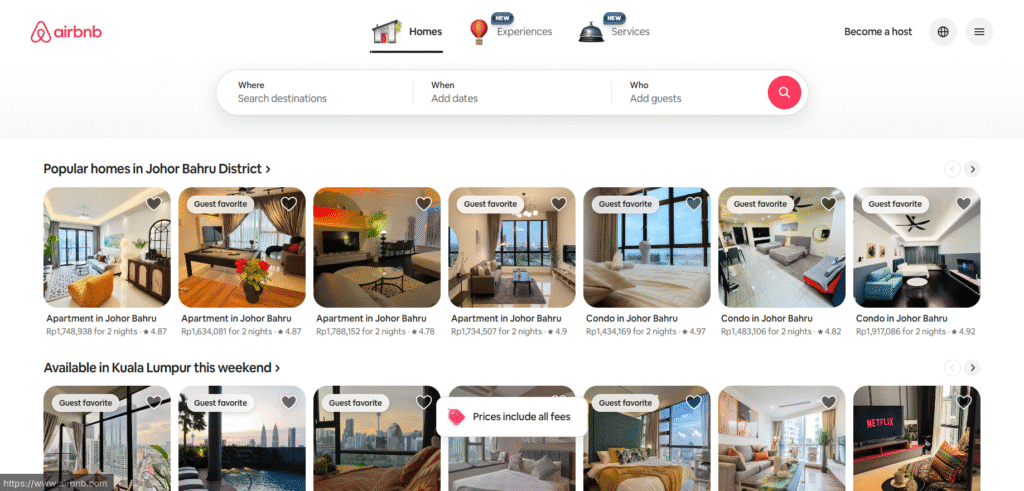
Airbnb doesn’t sell rooms; they sell experience.
Their copywriting is emotional (“Find your next adventure”) and the visuals evoke the feeling of “belong anywhere.”
Lesson: Stories and emotions sell more effectively than features. Make sure your website makes visitors feel something before they click.
4. Ahrefs — Content as the Engine (Digital Tools)
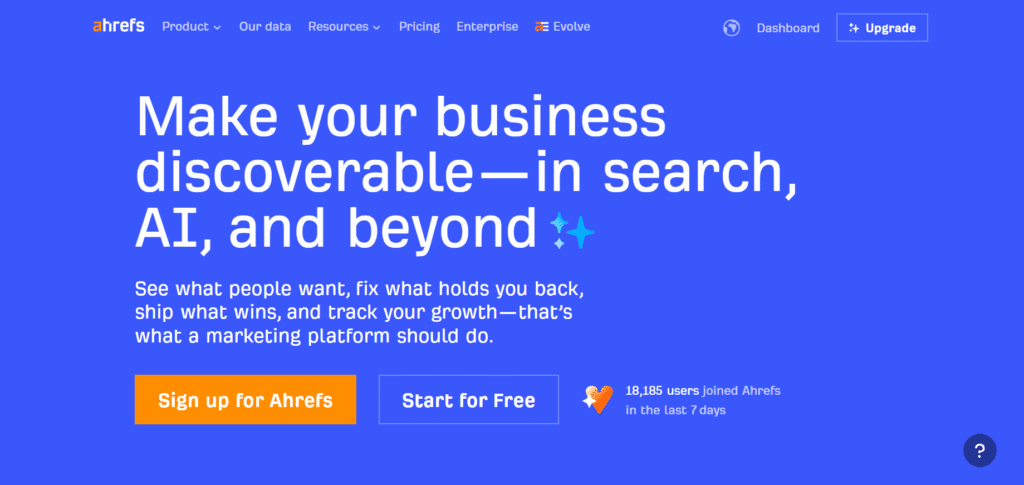
Ahrefs is a perfect example of content-driven marketing.
Almost all of their traffic comes from in-depth SEO articles that guide readers toward their main products.
Lesson: make high-quality content a traffic magnet. If your content addresses your audience’s problems, your product becomes a natural solution.
5. Apple — Branding Through Simplicity (Technology)
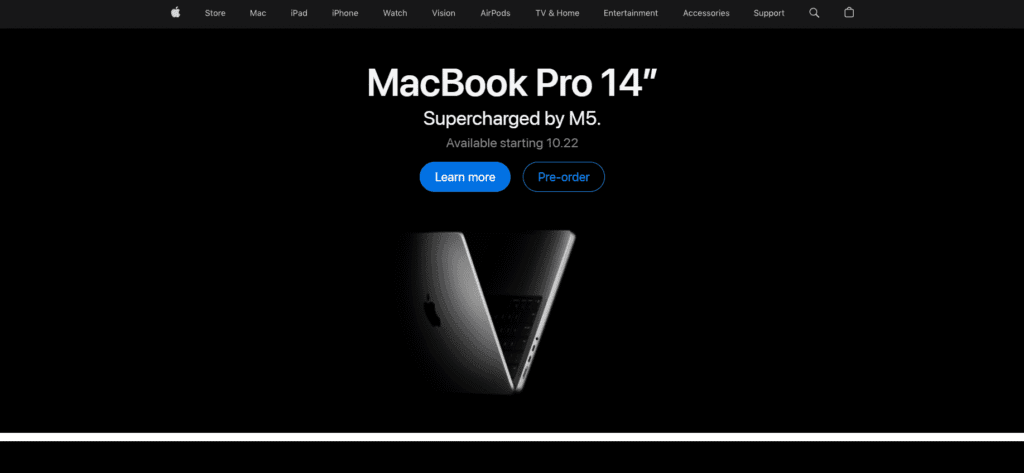
Apple doesn’t explain detailed features on its website.
They sell lifestyle and status. The visuals are large, headlines are concise, and each page has a single CTA.
Lesson: A strong brand doesn’t sell products, it sells meaning. Deliver a consistent message: exclusive, elegant, and aspirational.
6. Gojek — Local, Nearby, and Relevant (Super App)
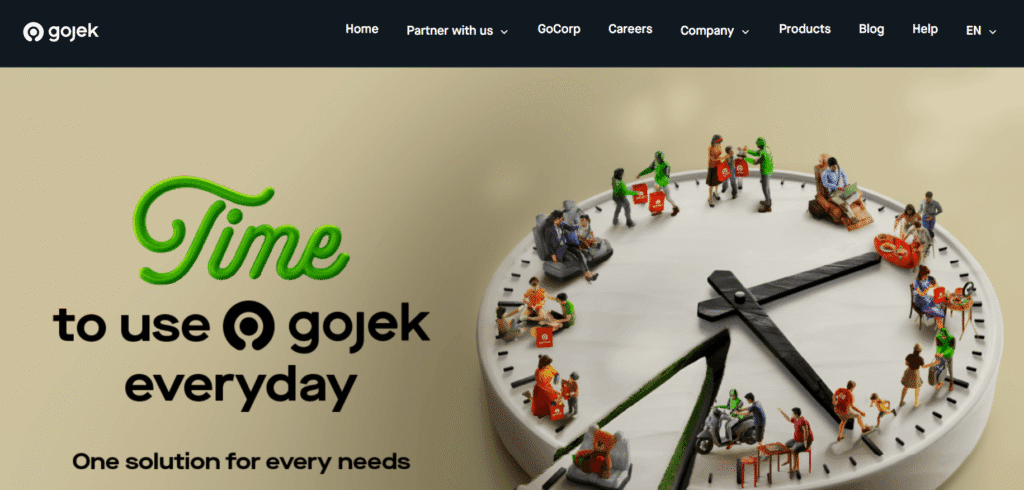
Gojek’s website highlights simple language and lightweight animations.
The narrative is easy for everyone to understand: “Gojek makes daily life easier.”
Lesson: Make your message as clear as possible for the mass market. If your audience is broad, simplicity is a strength.
7. Cokelat Monggo — Storytelling That Sells (F&B Local)
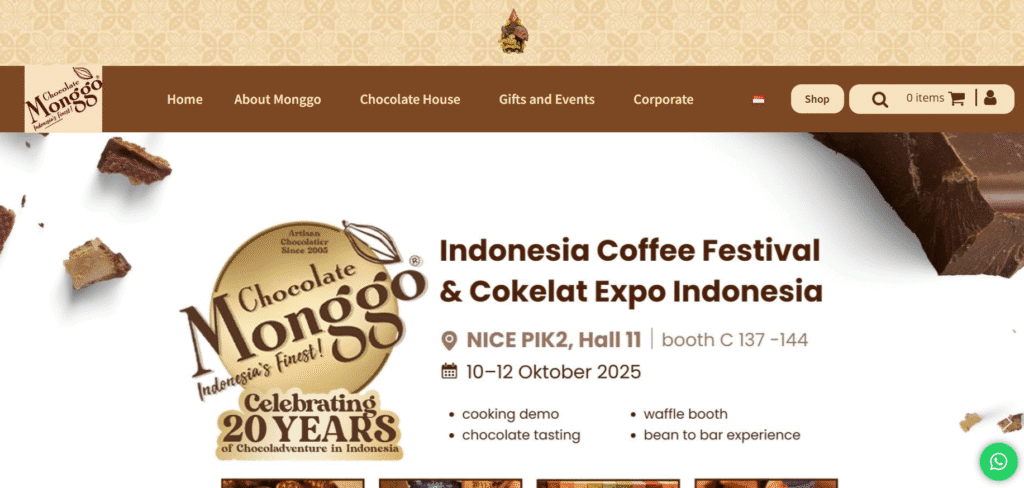
Monggo Chocolate sells the story of Java’s chocolate origins, not just the product.
Classic design and authentic photos create a warm and premium atmosphere.
Lesson: Local stories can become a global selling point. Use storytelling to build an emotional connection with your customers.
8. Ruang Guru — Conversion-Focused UX (EdTech)
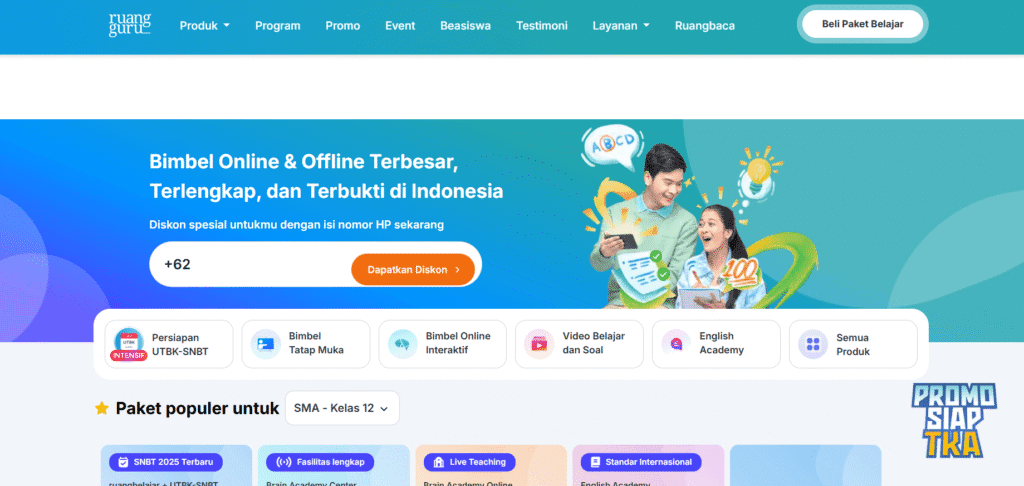
Every element on Ruang Guru’s website is directed toward a single goal: sign-up or download app.
The navigation is intuitive, CTAs are always visible, and the digital funnel is clear.
Lesson: The website structure should guide users from information to action. Don’t leave them confused about what to click.
9. Tokopedia — Trust and Structure (Marketplace)
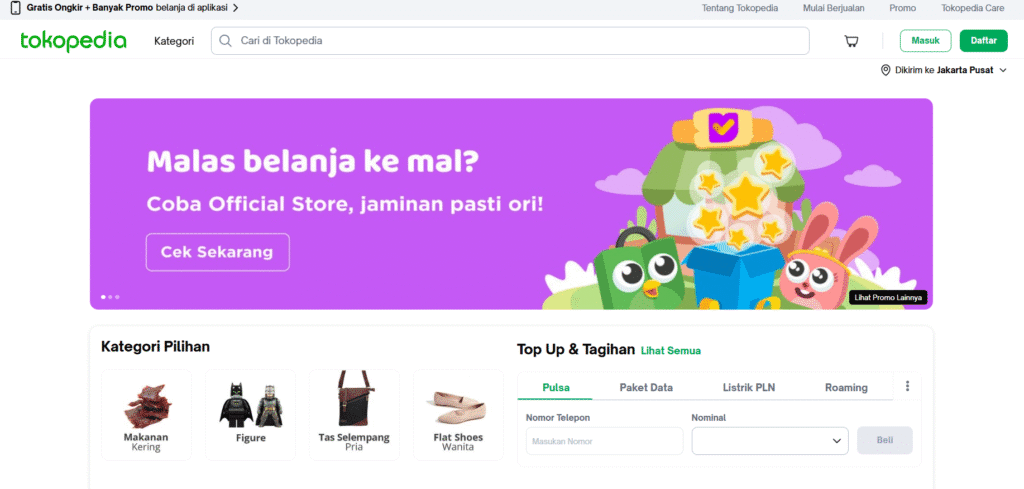
Tokopedia excels in navigation and trust signal: promotions, ratings, reviews, and transaction security guarantees.
The website makes users feel secure when making transactions.
Lesson: Trust is digital currency. Ensure your website displays credibility evidence: testimonials, reviews, or guarantees.
10. Wantaweb — Selling Through Proof (Business Website Development Service)
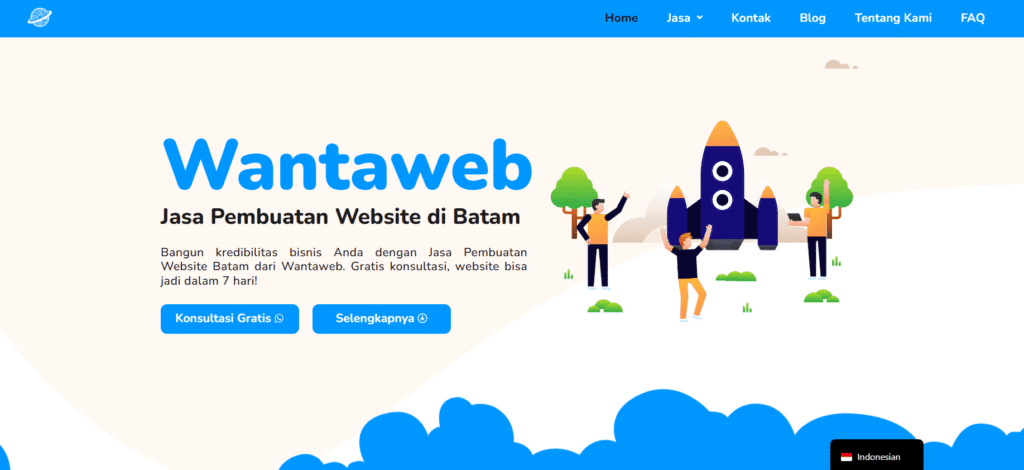
As a local agency, Wantaweb focuses on tangible results.
The website showcases a portfolio, testimonials, and a clear CTA (“Consult Now”).
No confusing technical jargon, just straightforward solutions.
Lesson: Results speak louder than words. Show real work evidence to attract serious clients.
Design & Strategy Principles from Successful Websites
From all the examples above, there are several universal principles that any business can apply:
- Prioritize speed and mobile usability. Over 70% of traffic now comes from mobile devices.
- Copywriting should speak to humans, not robots. Use simple, active, and persuasive language.
- Use high-quality photos and visuals. An image can explain faster than 100 words.
- One page = one goal. Don’t mix too many CTAs or pieces of information.
- Build trust. Include testimonials, client logos, certifications, or real results.
Tips for Creating an Effective Business Website
If you’re planning to build or update your business website, keep the following in mind:
- Ensure easy navigation: visitors should be able to find key information within three clicks.
- Use basic SEO Include a meta title, meta description, and relevant keywords on every page.
- Add a clear CTA: “Contact Us,” “Get a Quote,” “Order Now.”
- Integrate analytics: Use Google Analytics and Search Console to track performance.
- Use professional domain for business website:
.comor.idmake business more credible.
Summary
A website isn’t just a digital showcase. It is a 24 hours salesperson that works tirelessly, builds trust, expands reach, and helps your business grow sustainably.
If you don’t have a website yet, you’re missing opportunities every day, customers are looking for you, but they can’t find you.
Start now with Wantaweb, build business website that doesn't only look good, but also serves as a growth engine for your business.